
All project managers have the same fundamental goal: optimize workflow and eliminate superfluous or repetitive tasks to make projects as efficient as possible. The question remains: what’s the best way to do that?
LEAN or Six Sigma?
LEAN and Six Sigma are both meant to help continuously improve a company’s processes. However, their methodologies are very different.
The Six Sigma approach uses a 5-step methodology to solve problems. It’s called DMAIC, which stands for:
- Define
- Measure
- Analyze
- Improve
- Control
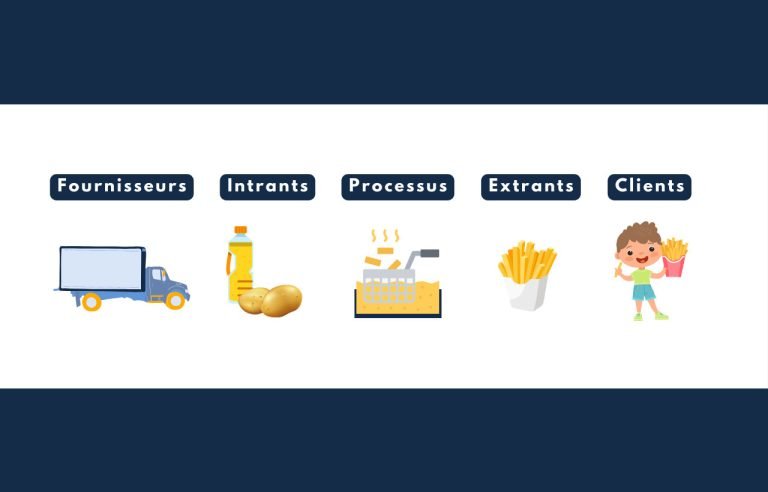
Meanwhile, the LEAN method aims to reduce waste and deliver the best possible customer experience. It uses value chain mapping to define the processes involved in creating a product or delivering a service.
What happens when you combine the best of these two approaches? LEAN Six Sigma.
What is LEAN Six Sigma?
Combining LEAN with Six Sigma creates a new approach that not only minimizes errors and waste, but also sparks a profound transformation in corporate culture.
When a company starts using LEAN Six Sigma concepts, managers and employees shift their mindsets towards growth and continuous improvement through process optimization.
Let’s take a look at the 5 most important principles you can apply right now to maximize your productivity and profitability.
Principe #1: Focus on the customer
Putting customers first: it’s an age-old principle, and one that’s always good to keep in mind!
What are my customers’ needs? What are the consumers’ expectations? Answering these two questions will allow you to generate as much value as possible and offer a product or service that meets market requirements.
Principle#2: Map the value chain
Before you can improve your value chain, also known as your process, you need to know all the steps involved. Which steps create value? Which ones don’t? If a step doesn’t create value, you can remove it from your value chain.
Principle #3: Eliminate waste to create flow
Start by identifying sources of waste. From there, you can think about making improvements to your process to close gaps and increase fluidity.
What is waste? It’s anything that doesn’t add value to the product or service and doesn’t meet your customer’s expectations.
Follow these 5 steps to eliminate waste:
Step 1: Make the waste visible
Pay attention to the different types of waste: defects, overproduction, waiting, non-utilized talent, transportation, inventory, motion, and extra processing.
Step 2: Be aware of the waste
Once you become aware of a specific waste (patients on average see their doctor 60 minutes after their scheduled appointment time, for example), you can take steps to eliminate it.
Step 3: Take responsibility for the waste
Foster a culture of responsibility within your company. When you do that, everyone’s energy is aimed in the same direction: reducing waste.
Step 4: Measure the waste
To eliminate waste, you first need to know how much is being wasted. This step is essential to mobilize managers and employees around a common goal. People need concrete facts to understand that it’s really worth changing their habits.
Step 5: Reduce or eliminate the waste
Now you can look for solutions. This is the time to be creative and innovative in finding ways to minimize waste.
Principle #4: Communicate with your team
Change is disruptive! To get your team members on board with the change you’re proposing, it’s important to:
- Specify the reasoning behind the change
- Explain the new standards or procedures
- Train everyone to follow them correctly
- Give people feedback so they can adjust as needed
Principle #5: Create a culture of change
As you’ve probably noticed, LEAN Six Sigma involves some major changes. You need to embrace this change and encourage your employees to do the same.
The LEAN Six Sigma approach combines the best of two proven approaches to continuous improvement: LEAN project management and Six Sigma. Its goal isn’t to just apply the 5 principles once and then forget about them. On the contrary, they should become an integral part of your daily thinking.
Campus LEAN’s experts in continuous improvement and change management are here to support you in your quest for continuous improvement and your application of the fundamental principles of LEAN Six Sigma.
by Bernard Gagnon
Master Black Belt LEAN Six Sigma,
Professional Scrum Master PSM I